
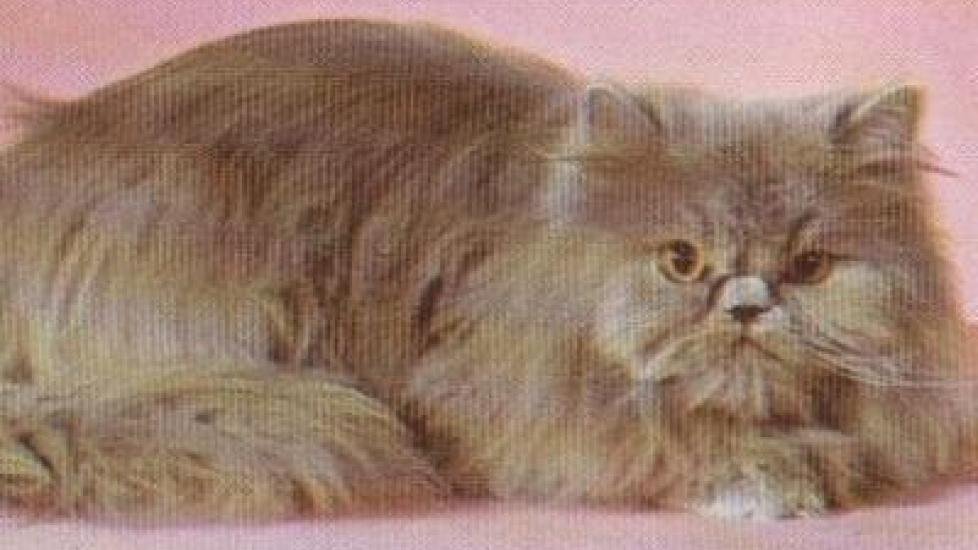
Kashmir Cat
Personality and Temperament
The Kashmir has a laid-back attitude to life. Peaceful and serene, it lives well in most environments, including an apartment. It is also intelligent and self-confident. However, as the breed detests noise, it may not get along well with turbulent children and other pets.
Rather indolent by disposition, the Kashmir may spend hours curled up in an arm chair waiting to be caressed. And though less active than other breeds, the Kashmir does demand its share of attention and likes to play on occasion.
Care
Blessed with long, silky hair, this cat needs regular grooming. It is best to initiate the cat into a grooming routine early, including regular eye cleanings. Comb thoroughly with a wide-toothed comb daily, paying special attention to its legs or tail.
As these cats have long hair, foreign objects like brambles and grass may become tangled with its coat. Pull them out carefully. The long hair also mats easily, and should be unraveled carefully with fingers.
It is also important that all tangles have been removed before bathing the cat. Rinse thoroughly with water and shampoo and blow-dry its fur when done.
Health
Though the Kashmir is generally a healthy cat and may live for as long as 20 years, it is prone to eye infections and irritation. In addition, due to its short nose, the Kashmir may succumb to frequent respiratory problems, which can be treated with medication. Polycystic kidney disease is another problem often seen among Kashmirs. If you should suspect any of these conditions, please consult a veterinarian.
History and Background
The history of this breed began in the 1930s, when breeders made intense efforts in North America to develop a Persian cat with Siamese markings. As a result of these efforts, the Himalayan, which essentially is a color-pointed Persian, came into being. Then, while experimenting to create chocolate and lilac points in their breed, a startling discovery was made: a few of the cats produced possessed solid chocolate and lilac colors. The breeders considered this a new breed and named it Kashmir.
Their efforts, however, were met with strong opposition. One author described the Kashmir as “a taxonomist’s daydream and a superfluous breed division”; another stating it was “unnecessary splitting … simply in order to create another breed.”
Due to the controversy, though loved by most, the Kashmir is overlooked by many cat fanciers. In fact, the Canadian Cat Association is one of the few major organizations to formerly recognize it. The Kashmir still awaits recognition from other major associations.